A Problem-Driven Analysis of Storage, Cleaning, and Seasonal Care for Family Car-Extended Tents
Statement of the problem
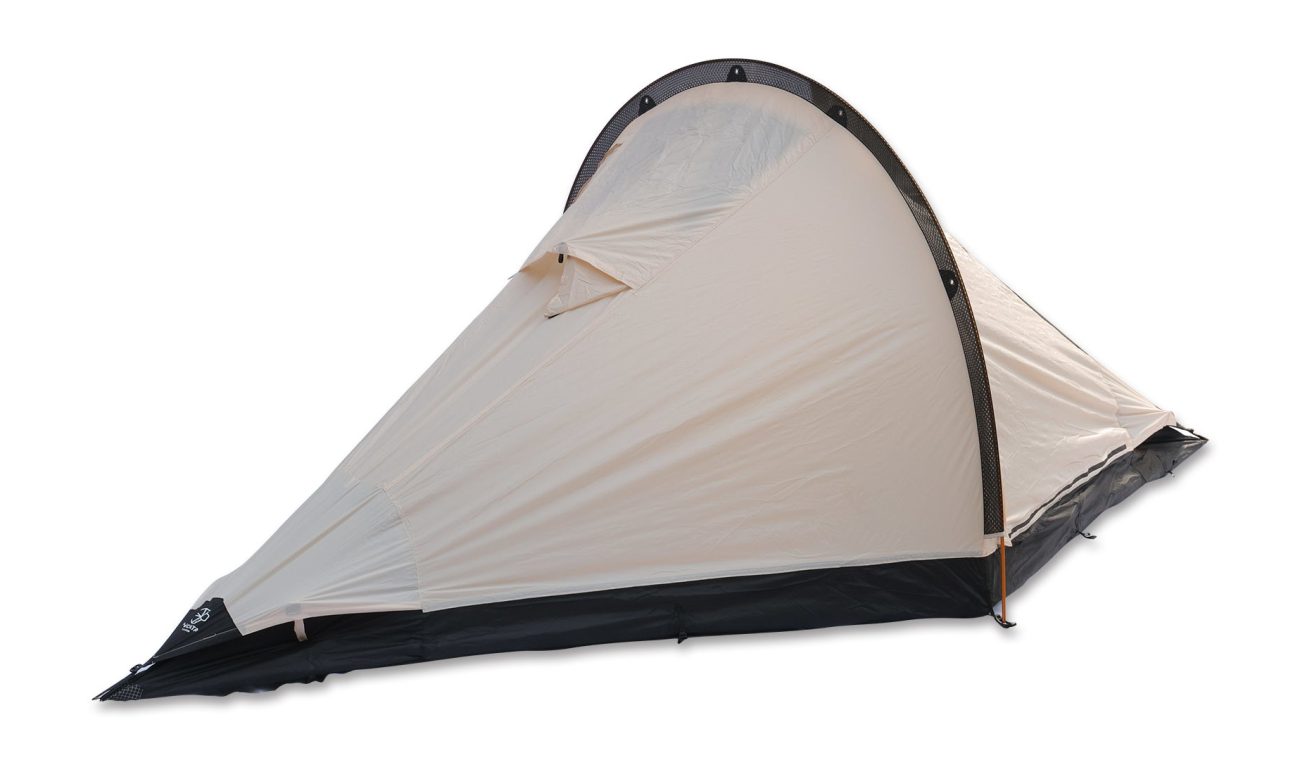
Families that rely on car-extended shelters confront recurring operational failures: accelerated fabric degradation, malfunctions of closures and frames, and recurring microbial contamination that shortens usable service life. These failures emerge from routine practices—improper drying, unsuitable storage environments, and deferred maintenance—that compound over multiple camping seasons. For readers seeking an evidence-based protocol, the objective is to arrest that decline through reproducible, low-risk interventions. A practical starting point is the specific case of a car extended tent; addressing its material and mechanical vulnerabilities yields transferable procedures for most family-oriented shelter systems: car extended tent.
Why the problem persists: failure modes and consequences
Failures cluster into three domains: moisture-driven biodeterioration (mildew and rot), mechanical stress (frame fatigue and seam rupture), and surface-chemistry degradation (UV and detergent damage). Each domain produces predictable outcomes: odor and staining reduce user confidence; broken poles and torn seams create safety hazards; compromised waterproofing produces interior dampness that accelerates all other failures. The cumulative effect is increased replacement frequency and higher lifecycle cost for family owners.
Empirical grounding and professional observation
Field inspection at recognized industry gatherings reveals the same weak points across popular designs. Observations at Overland Expo and informal post-trip assessments consistently show unventilated packing and salt/soil residues as primary antecedents to accelerated wear; these patterns corroborate repair-shop case logs and maintenance records. One practical exemplar encountered during these inspections is the SUV-adjacent shelter configuration: the suv rear tent frequently presents with zipper corrosion and seam detachment where road grime accumulates. This convergence of field observation, repair experience, and product inspection supports the reliability of the interventions recommended below.
 Storage protocols that reduce failure risk
Store only fully dry fabric. Humidity trapped in folds leads to microbial colonization within 24–72 hours. Use breathable storage sacks or cotton cases; avoid long-term vacuum-sealing unless the tent is guaranteed bone-dry. Maintain storage at stable, moderate temperatures and off the ground to reduce pest access and damp transfer. If garage space is the only option, isolate the tent from vehicles and chemical exposure; hydrocarbons and battery acid fumes accelerate coated-fabric breakdown. For long-term storage, separate poles and hardware in labeled containers to reduce mechanical wear on the fabric.
Cleaning regimen: materials and stepwise technique
Begin with dry debris removal: brush loose soil and sand with a soft-bristle brush. Rinse with low-pressure freshwater to remove salts and soluble soil; do not use high-pressure washers. Apply a mild, non-alkaline soap solution to localized stains; test on an inconspicuous area first. Avoid bleach, strong solvents, and fabric softeners. Rinse thoroughly until suds are eliminated. Air-dry fully in shade with ventilation to preserve DWR coatings. For stubborn biological growth, apply a diluted non-chlorine mildew treatment following manufacturer guidelines and re-seal seams after complete drying.
Seasonal maintenance checklist
At season transitions, perform a systematic inspection: verify seam integrity and re-seal if stitching shows strand fatigue; test zippers and lubricate with silicone-based agents only; inspect pole ends and shock cords for fraying; examine DWR performance by observing water beading—reapply approved water-repellent treatments when beading declines. Replace small components before they fail under load. Document repairs and environmental conditions to refine future maintenance intervals.
Common mistakes and how they amplify damage
Packing wet fabric remains the single most damaging error. Chemical overcleaning (bleach, high-pH detergents) produces immediate color loss and long-term fiber weakening. Over-lubrication of zippers with oil-based products attracts grit and encourages corrosion. Storing tents in direct contact with treated lumber, vehicle exhaust, or ammonia-based cleaners accelerates coating failure. Each mistake converts a minor defect into a major repair within one or two seasons.
Evaluating alternatives and modest trade-offs
Hard-shell roof solutions and tailored cargo-box systems reduce fabric maintenance but introduce other constraints: increased vehicle weight, higher cost, and different storage footprints. When families prioritize minimal maintenance, trade-offs should be quantified: fewer fabric repairs versus larger capital expense and potential fuel penalties. For many users the best value lies in disciplined maintenance of a fabric car-extended shelter rather than wholesale replacement.
Concluding synthesis
Addressing family-level failure of car-extended tent systems requires problem-focused protocols: dry-first packing, gentle cleaning, environmental-aware storage, and seasonal inspection. These interventions are straightforward to implement, reduce repair incidence, and extend usable life. Implementing them aligns with the design intent and documentation often provided by manufacturers such as THECATAL, which emphasize measured care over frequent replacement.