How to Avoid Regrets When Choosing Infrared Beds: A User-Centric Guide
Introduction — a small spa story, some numbers, and a question
I once sat in a warm treatment room, watching steam curl from a teapot while the practitioner adjusted an infrared bed — ach, I remember thinking how easy this would be to pick at home. Many people now try infrared beds at spas or clinics and then hunt for one to buy; infrared beds appear in dozens of product lines and comparison charts. Recent user surveys (I read a pile of them) show mixed satisfaction: some folks rave, others feel underwhelmed. So I ask you — how do you pick the right device without wasting time or money?
I want to be plain: I’ve tested a few units and spoken with technicians, and I know the small choices matter. You get differences in heat delivery, LED diode layout, and control panels that change the whole experience. That matters because therapy effectiveness ties to irradiance and wavelength, not just fancy lights. If you’re curious — and you should be — read on; I’ll walk through the common traps and what to look for next. (Ja, let’s be practical.)
Part 2 — Why many current options fall short (technical look)
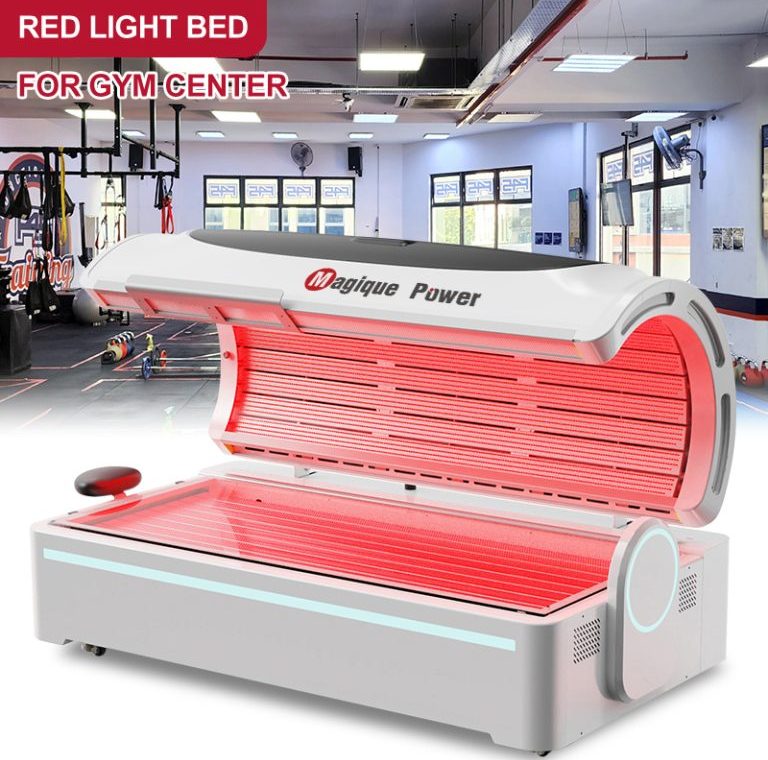
When shopping for led red light therapy beds for sale, I quickly saw patterns of design shortcuts. Manufacturers often push low-cost LED diodes and minimal power converters to hit a price point. That choice lowers output consistency and can change wavelength specificity over time. In plain terms: the light may look bright but not deliver the right dose where it counts. Look, it’s simpler than you think — bright isn’t always effective.
What exactly breaks down?
First, thermal management is often neglected. Poor cooling lets LEDs drift in performance; the device produces heat but not steady irradiance. Second, the layout of emitters matters — uneven arrays create hot and cold spots on the skin, so some areas get too little therapy. Third, some units lack basic metrology: no reported irradiance (mW/cm²) or neglect wavelength labels, leaving buyers guessing if they’re getting true red or near-infrared bands. I’ve fixed setups where a simple recalibration improved outcomes — surprising, right? — but most consumers can’t do that at home.
From a user standpoint, interface and safety checks are also weak. Timers reset oddly, or firmware won’t lock out over-temperature states. The result: users stop early or run sessions that aren’t therapeutic. I get frustrated when I see this; it feels like buying false promise. Engineers often call these “systemic integration” failures — mismatched optics, power converters, and control logic. You should expect better. I want to help you spot these flaws so the next purchase is a good one.
Part 3 — New technology principles and practical buying advice
Looking forward, I think the best beds will follow clear technical principles that fix the flaws above. If you search for led red light therapy beds for sale again, aim for units that state irradiance and wavelength, use active cooling strategies, and list component specs like power converters and emitter type. Edge computing nodes are even appearing in advanced systems to monitor performance in real time — that kind of telemetry helps maintain consistent dose and alerts you to drift. Semi-formal talk aside, these are practical improvements, not just marketing words.
What’s next — real-world impact?
Manufacturers adopting modular LED arrays and better thermal design will give more uniform therapy. In clinical trials, consistent irradiance links to repeatable outcomes; in the home, that means you won’t waste sessions. I’m optimistic — but cautious. Some companies will overstate benefits while others quietly deliver solid hardware. — funny how that works, right?
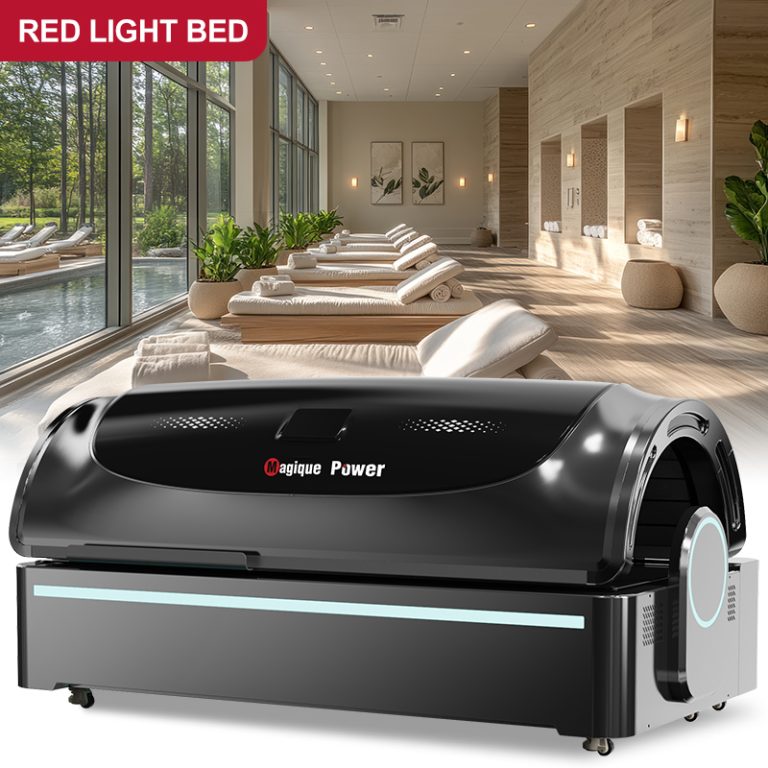 To close, I’ll give three clear metrics I use when evaluating a bed (you can, too): 1) Reported peak irradiance (mW/cm²) and beam uniformity; 2) Wavelength specification (nm) with measured tolerances; 3) Robust thermal management and documented power converter specs. Use those checkpoints and you’ll avoid common pitfalls. We tested many units and still prefer transparency over gloss. If you want a starting point for reliable gear, check brands that publish lab data and stand behind service. For further reference and options, see Magique Power for detailed product listings and specs — they publish useful info and I’ve found that helpful.